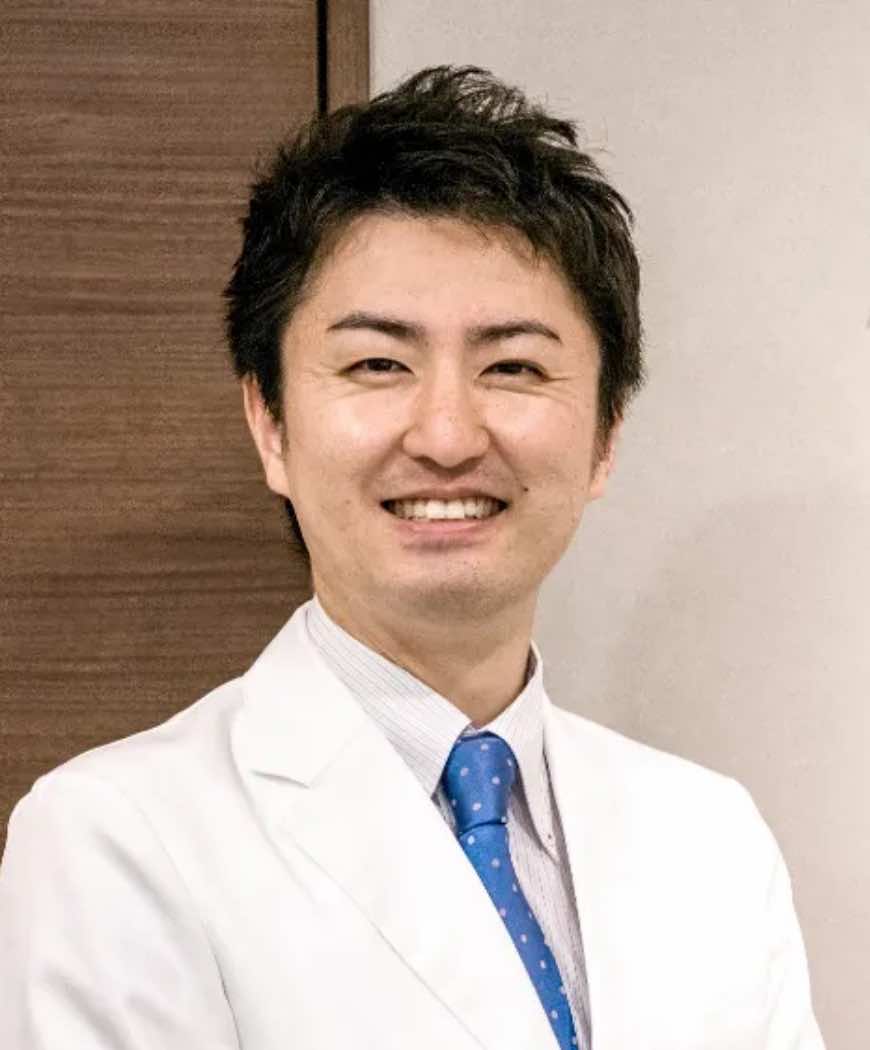
Chief Medical Director, AGA Medical Care Clinic
Yusuke Maeda, MD, PhD
A Message from the Director
I founded AGA Medical Care Clinic so that patients who find the courage to visit us not only experience the results of hair growth treatment, but also feel glad that they came to us and chose to start treatment.
AGA Medical Care Clinic is a clinic for men that specializes in treating AGA (male pattern hair loss). We put patients first, so that we can suggest the right treatment for each patient, and so that you can begin treatment fully satisfied.
Along with our experienced doctors, our team includes counselors certified as Hair Diagnosticians (毛髪診断士®). Whether or not you decide to start treatment, please feel free to come and talk to us.
Profile
Career
- Graduated from the Keio University Graduate School of Medicine
- Completed the initial clinical residency program at Keio University Hospital
- Served as clinic director at a major AGA clinic
- 2018: Opened AGA Medical Care Clinic Shinjuku
Qualifications
- Medical license (Japan)
- Certified Occupational Physician, Japan Medical Association
- PhD in Medicine
Memberships
- The Japanese Society of Internal Medicine
- Japanese Society of Aesthetic Dermatology
- Japan Society of Clinical Hair Restoration
Publications
- Inflammation in gastric cancer: Interplay of the COX-2/prostaglandin E2 and Toll-like receptor/MyD88 pathways
- Organotypic brain explant culture as a drug evaluation system for malignant brain tumors
- Myeloid Differentiation Factor 88 Signaling in Bone Marrow-Derived Cells Promotes Gastric Tumorigenesis by Generation of Inflammatory Microenvironment
- Phase 1 study of sulfasalazine and cisplatin for patients with CD44v-positive gastric cancer refractory to cisplatin (EPOC1407)
- Suppressing TGFβ signaling in regenerating epithelia in an inflammatory microenvironment is sufficient to cause invasive intestinal cancer
- TNF-α/TNFR1 signaling promotes gastric tumorigenesis through induction of Noxo1 and Gna14 in tumor cells