
You can generally find an English-speaking dermatologist in Tokyo; however, English proficiency can vary throughout the visit. One clinic might use English for the doctor’s explanations but rely on a translation app for the intake forms.
Another clinic may respond to emails in English but ask you to bring a friend to assist during the consultation. To ensure a smooth experience, create a shortlist of clinics, then send each one the same set of questions before making a booking.
Matching a clinic to your language needs
Verify information directly with the clinic instead of relying solely on a directory label. Keep in mind that having an English website, an English-speaking receptionist, and a doctor who can discuss treatment in English are three different aspects.
Ask about the key details relevant to your visit, and choose the clinic that answers your questions clearly.
In Japan, hair loss care typically involves both a doctor and a hair counselor. The doctor examines your scalp and develops a treatment plan, while the counselor guides you on how to follow it daily and answers practical questions. Clinics may handle English well in some areas but struggle in others.
A hair consultation is not typically urgent, but you may leave with only a vague understanding of the diagnosis, associated risks, or follow-up plan. Checking for language support before the appointment can help you avoid this situation.
What a dermatology visit for thinning hair includes
A dermatology consultation for thinning hair typically begins with a history review, followed by a scalp examination, diagnosis, and treatment plan. It’s important to receive the diagnosis and instructions in a format you can understand and follow at home.
The doctor may discuss androgenetic alopecia, commonly known as male pattern hair loss. Common treatments include finasteride, dutasteride, and minoxidil, and some clinics also provide scalp treatments. Each treatment has its own schedule, risks, and monitoring requirements.
Research shows that a shared language leads to better outcomes. In a 2019 systematic review of 33 studies on non-English language concordance, 25 reported at least one better result when the patient and clinician used the same language, while 5 found no difference and 3 found worse results.1
The review did not find a consistent method for assessing clinicians’ language skills.
How dermatology directories help and where they stop
Public directories can help you narrow your options, but they cannot indicate how well a doctor communicates in English. Use them as a starting point, and email the clinic for final confirmation.
Using the public directories
The Japan National Tourism Organization (JNTO) provides a search tool for medical institutions based on location, language, and medical specialty. The website includes basic information about each facility, and JNTO advises travelers to verify each institution’s operating hours and supported languages before visiting.
For additional assistance, travelers can contact the Japan Visitor Hotline, which is available 24/7 at 050-3816-2787. The hotline can refer individuals to facilities that may offer consultations in foreign languages, including English, Chinese, and Korean.
Please note the hotline does not provide three-way interpretation services or make appointment bookings.
Japan’s health ministry provides a list of medical institutions that welcome foreign patients. This list is intended for foreign residents and visitors, but not for those who travel to Japan specifically for medical treatment.
Being included on the list does not guarantee that English support will be available. Additionally, the list does not restrict care to the listed facilities; unlisted clinics may also provide excellent services.
JMIP, or Japan Medical Service Accreditation for International Patients, indicates a coordinated program for foreign patients; however, this accreditation applies only to hospitals or health checkup facilities. A small dermatology clinic might provide excellent English support even without this credential.
How the search methods compare
| Method | What it tells you | What it does not confirm |
|---|---|---|
| JNTO search | Basic details by area, language, and department | The English level of the doctor or counselor |
| Japan Visitor Hotline | Referrals to facilities that may offer foreign-language care | Three-way interpretation or an appointment |
| Ministry list | Facilities that accept foreign patients | Whether English support is available |
| Direct clinic email | How the clinic replies and which steps it covers in English | The quality of medical care |
Where English matters during a visit
The level of English support may vary at each of these four steps.
- Reception and appointment confirmation
- Intake questions about your history and medicines
- The doctor’s diagnosis and explanation
- Written consent forms, visit records, and medicine instructions
Pay close attention to written records, as you need to take them home. If a consent form, aftercare note, or prescription label is only in Japanese, you may need to translate it before the next dose or before a follow-up visit.
Language gaps do not always result in negative outcomes. In a 2022 systematic review of 26 studies of hospital care in English-speaking countries, 13 of the 16 mortality studies found no association with limited English proficiency, and all 5 complication studies found no language-related difference.2
In Japan, a 2023 online survey of 363 non-native Japanese speakers found that patients whose language differed from their providers reported lower understanding. Those with no shared language were also much more likely to want professional interpretation.3
Research on surgery demonstrates how language assistance can make a significant difference.
A 2023 review of ten studies found strong evidence that professional interpreters or language-matched clinicians improve understanding of consent for procedures. Common weaknesses identified included discharge instructions and pain management guidance.4
Four questions to ask before booking
Using the same wording for every clinic makes it easier to compare replies. Ensure each reply is saved.
- Can the doctor examine and explain treatment in English?
- May I bring a family member or friend to interpret?
- Can you provide consent forms and visit records in English?
- Will your email replies to me be in English?
A clear response demonstrates the clinic’s operations. A clinic that addresses each concern, rather than merely stating “English available,” provides a stronger foundation for making a booking.
A 2022 systematic review of seven randomized trials showed mixed evidence for the effectiveness of question prompt lists in surgical consultations.
The authors saw them as low-harm tools that may help patients take part in the discussion, though the evidence was not strong enough for a broad recommendation.5
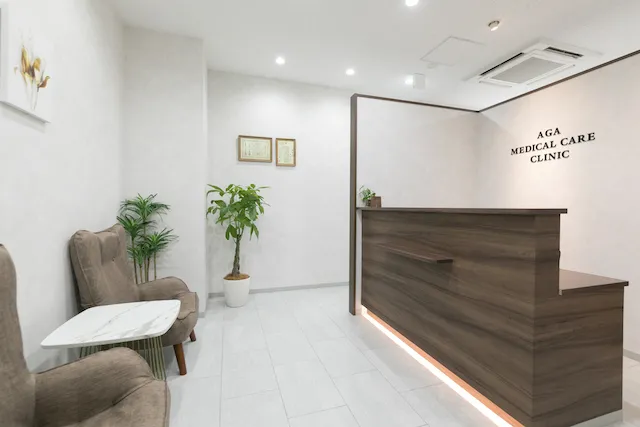
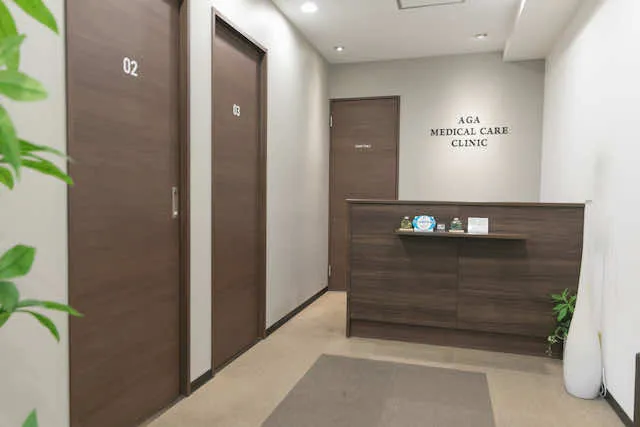
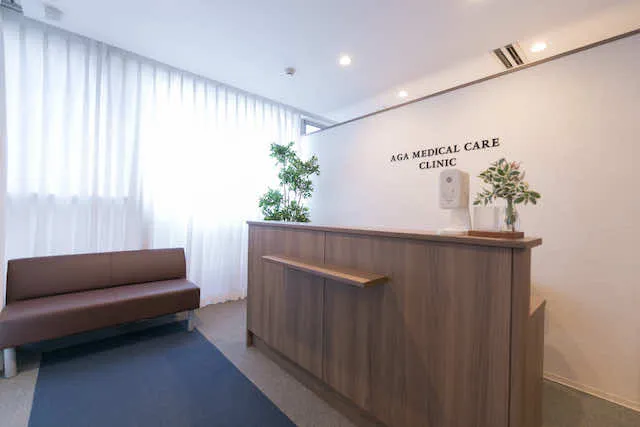
English support at our clinics
Our doctors conduct consultations in English. During counseling, the counselor uses prepared English materials and a translation app to clarify the treatment plan.
Visits are by appointment only. During your first visit, you will fill out a questionnaire, and the staff will take photos of your hair and examine your scalp using a microscope.
Afterward, the doctor will conduct an examination, and a counselor who is certified as a Hair Diagnostician will explain the treatment options available to you.
You may arrange your own interpreter, and a friend or family member can interpret on your behalf. Consent forms and other visit documents can be provided in English. Before your visit, please send any questions through the English contact form; we will respond by email.
For any questions about English support during your visit, please contact our clinics in Tokyo and Yokohama, Japan.
Frequently asked questions
- Do I need a referral to see an English-speaking dermatologist in Tokyo for hair loss?
-
Usually no. Many private dermatology and hair-loss clinics in Japan accept patients by appointment without a referral, but each clinic sets its own policy. Ask about the booking process in your first email.
- Will the doctor speak English, or will the clinic use a translator?
-
That depends on the clinic. Some doctors examine and explain treatment in English, while other clinics combine English materials with a translation app or an interpreter. Confirm the format before you book, and note whether you may bring a friend or family member to interpret.
- Can I get my consent form and visit summary in English?
-
Not every clinic offers this. Ask before your first visit. At our clinic, we can issue consent forms and related visit documents in English.
- How do I contact a clinic before I travel?
-
Use the official English website and its contact form, because the reply arrives in writing and is easier to save. On our site, choose Contact Us and send your questions; we reply by email.
References
1. Diamond, L., Izquierdo, K., Canfield, D., Matsoukas, K., & Gany, F. (2019). A Systematic Review of the Impact of Patient-Physician Non-English Language Concordance on Quality of Care and Outcomes. Journal of General Internal Medicine, 34(8), 1591-1606. https://doi.org/10.1007/s11606-019-04847-5
2. Woods, A. P., Alonso, A., Duraiswamy, S., Ceraolo, C., Feeney, T., Gunn, C. M., Burns, W. R., Segev, D. L., & Drake, F. T. (2022). Limited English Proficiency and Clinical Outcomes After Hospital-Based Care in English-Speaking Countries: a Systematic Review. Journal of General Internal Medicine, 37(8), 2050-2061. https://doi.org/10.1007/s11606-021-07348-6
3. Oonishi, A., Ikeda, A., Francois, N., & Ono, N. (2023). Relationship Between Patient-Provider Language Discordance and the Need for Professional Medical Interpretation for International Patients in Japan. Cureus, 15(10), e47001. https://doi.org/10.7759/cureus.47001
4. Luan-Erfe, B. M., Erfe, J. M., DeCaria, B., & Okocha, O. (2023). Limited English Proficiency and Perioperative Patient-Centered Outcomes: A Systematic Review. Anesthesia and Analgesia, 136(6), 1096-1106. https://doi.org/10.1213/ANE.0000000000006159
5. Ting, Y. Y., Ey, J. D., Treloar, E. C., Reid, J. L., Bradshaw, E. L., & Maddern, G. J. (2022). Patient prompts in surgical consultations: A systematic review. Surgery, 172(6), 1759-1767. https://doi.org/10.1016/j.surg.2022.08.031