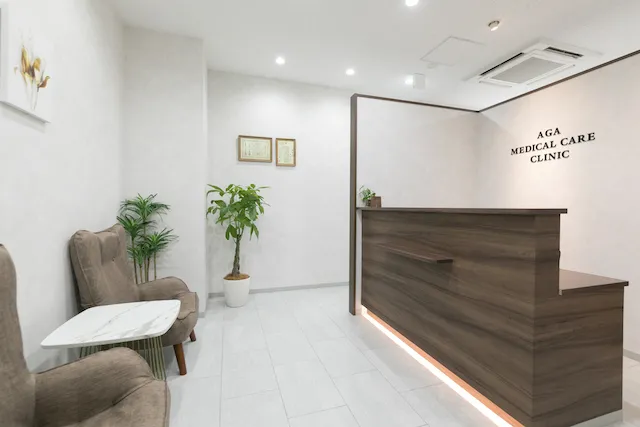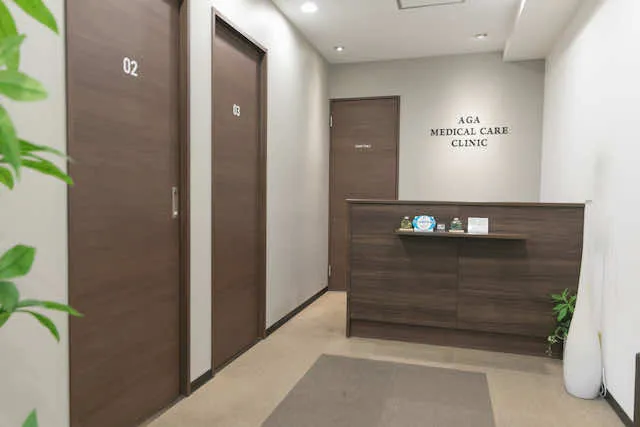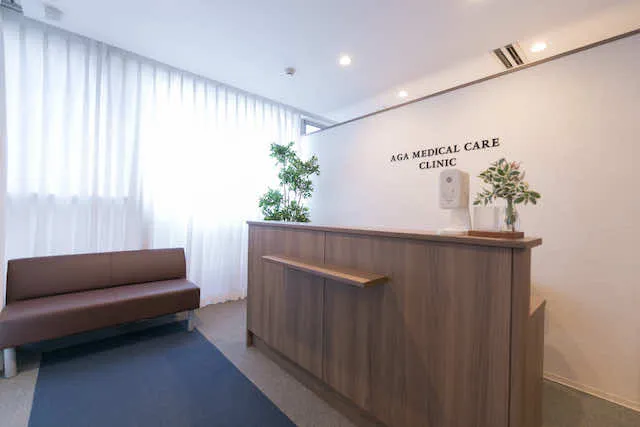
When searching for a hair loss clinic in Japan, prepare before leaving your hotel. Make sure you know the station exit, building name, floor number, and the clinic’s address. We have three clinics located near major train stations, each situated on an upper floor of a building.
Keep all these details in one convenient place. This way, you’ll be able to navigate easily, even if the map stops loading or the station is crowded and it’s hard to see your intended route.
Start with the clinic you booked
Your booking confirmation indicates which of the three clinic locations you should visit. Tokyo Yaesu is near Tokyo Station, Shinjuku is near Shinjuku Station, and Yokohama is near Yokohama Station.
Each clinic is just a short walk from its respective station; however, it occupies one floor of a multi-story building.
| Clinic | Floor | Nearest station and walk |
|---|---|---|
| Tokyo Yaesu | 5th floor | Tokyo Station, Yaesu Central Exit: about 6 minutes |
| Shinjuku | 9th floor | Shinjuku Station, West Exit: about 5 minutes |
| Yokohama | 2nd floor | Yokohama Station, West Exit: about 4 minutes |
All three clinics operate by appointment only and are closed on two weekdays each. Tokyo Yaesu is closed on Mondays and Fridays, Shinjuku is closed on Mondays and Thursdays, and Yokohama is closed on Tuesdays and Fridays.
Please check the current hours on the Clinics & Access page of our English website before booking your travel date.
Save your station exit, floor, and address
Once you know the location, save four details before you leave your hotel or home.
- The clinic name and floor from your booking confirmation
- The station name and exit you plan to use
- The Japanese address, ready to show a taxi driver
- The walking route from the Clinics & Access page of our English site
Keep the Japanese address readily accessible on your phone or written on paper. The driver can read it even if spoken directions are unclear, and you can point to it if it’s difficult to explain the building entrance.
Copy the floor from the table into the same note, because Tokyo Yaesu is on the 5th floor, Shinjuku is on the 9th floor, and Yokohama is on the 2nd floor.
Follow the signs to the right clinic floor
Inside the building, take the elevator to the floor indicated in your note. Keep in mind that city buildings often have multiple entrances, and the clinic’s sign is usually visible only after you reach the correct floor, not from the street.
At Shinjuku, the elevator is at the back of the building, while at Yokohama, another business is on the ground floor.
When you arrive at the address, check these four things in order.
- The building name above or beside the door
- Signs pointing to the elevators
- The floor number shown beside the elevator
- The clinic sign near reception when you step out of the elevator
These checks take less than a minute and help avoid the common mistake of entering the correct building but searching on the wrong floor. Research on navigating hospitals supports this step-by-step approach.
Research on finding the way inside hospitals supports this step-by-step check.
An integrative review of 84 interior wayfinding studies found that clear signs, maps, and recognizable landmarks help people move through complex buildings.1 Follow the building sign and elevator label to find reception and avoid taking a wrong turn down a lookalike hallway.
A 2025 survey of 301 U.S. hospital staff found that visitors often need help around elevators, entrances, and main lobbies.2 Japanese office buildings also have shared lobbies and elevators.
Match the clinic to your airport route
If you are flying in on the day of your appointment, check the train time to the clinic you booked, or to the one you plan to book. From Haneda Airport, the train to Tokyo Station takes about 30 minutes, the ride to Shinjuku Station takes about 45 minutes, and the ride to Yokohama Station takes about 25 minutes.
From Narita Airport, the Narita Express reaches Tokyo Station in about one hour, with longer rides to Shinjuku and Yokohama. Times are approximate and change with the train and time of day. Leave a buffer and avoid the last possible connection.
Station exits matter as much as train time. Use the station exit listed for your clinic, and follow the short route on the Clinics & Access page.
If you get lost, ask for the clinic by name and floor
If the route no longer matches the signs, pause near a landmark and ask a station attendant or a staff member in the building for directions to the floor or elevator.
Make sure to show them the clinic name, floor number, and the Japanese address, as they may not recognize the English name alone. Asking for help early can save you time compared to circling the same block.
If the entrance does not look the way you expected, step back and compare it with the building details above before you walk in.
For general visitor information, the Japan National Tourism Organization runs a multilingual hotline that can help with directions and tourist questions. Keep that option as a backup, but the fastest help is usually the staff at your current building or station.
If you have questions about the route, contact our clinics in Tokyo and Yokohama, Japan, and our staff can help you find the right building and floor.
Frequently asked questions
- How do I know which clinic to go to?
-
Check your booking confirmation for the clinic name. It will be Tokyo Yaesu, Shinjuku, or Yokohama. If the message is unclear, ask through the contact form before you travel.
- Do I need the Japanese address if I have a map pin?
-
A map pin helps you find the area, but a taxi driver may need the Japanese address. Save the address from the access page as a screenshot or printed note, then show it if the building is not obvious.
- What should I do if the elevator is hard to find?
-
Look for the building name and any floor signs near the entrance, then ask building staff and show them the clinic name and floor. At Shinjuku, the route notes point to the elevator at the back of the building.
- Can I go straight from the airport to the clinic?
-
You can if you leave enough time. Haneda routes take roughly 25 to 45 minutes by train depending on the station, and the Narita Express takes about an hour to Tokyo Station. Add a buffer, because train times vary.
References
1. Jamshidi, S., Ensafi, M., & Pati, D. (2020). Wayfinding in Interior Environments: An Integrative Review. Frontiers in Psychology, 11, 549628. https://doi.org/10.3389/fpsyg.2020.549628
2. Jamshidi, S., Hashemi, S., & Tran, D. T. (2025). Costs and Effects of Ineffective Wayfinding in US Hospitals: A Survey of Hospital Staff. HERD, 18(2), 463-479. https://doi.org/10.1177/19375867251317240
Devlin, A. S. (2014). Wayfinding in healthcare facilities: contributions from environmental psychology. Behavioral Sciences, 4(4), 423-36. https://doi.org/10.3390/bs4040423
Lee, E., Daugherty, J., Selga, J., & Schmidt, U. (2020). Enhancing Patients’ Wayfinding and Visitation Experience Improves Quality of Care. Journal of Perianesthesia Nursing, 35(3), 250-254. https://doi.org/10.1016/j.jopan.2019.11.003
Morag, I., Heylighen, A., & Pintelon, L. (2016). Evaluating the inclusivity of hospital wayfinding systems for people with diverse needs and abilities. Journal of Health Services Research & Policy, 21(4), 243-8. https://doi.org/10.1177/1355819616642257